The Case of the Confused HVAC System
As a home inspector, I walk into new mysteries often. Sometimes it’s a leaky roof, and other times it’s a foundation that has seen better days. But recently, I came across a situation that really highlights why you need a thorough inspection before buying a home. If you are looking for the best residential inspector Sugar Land, let me help catch any tricky issues with homes you’re planning to buy.
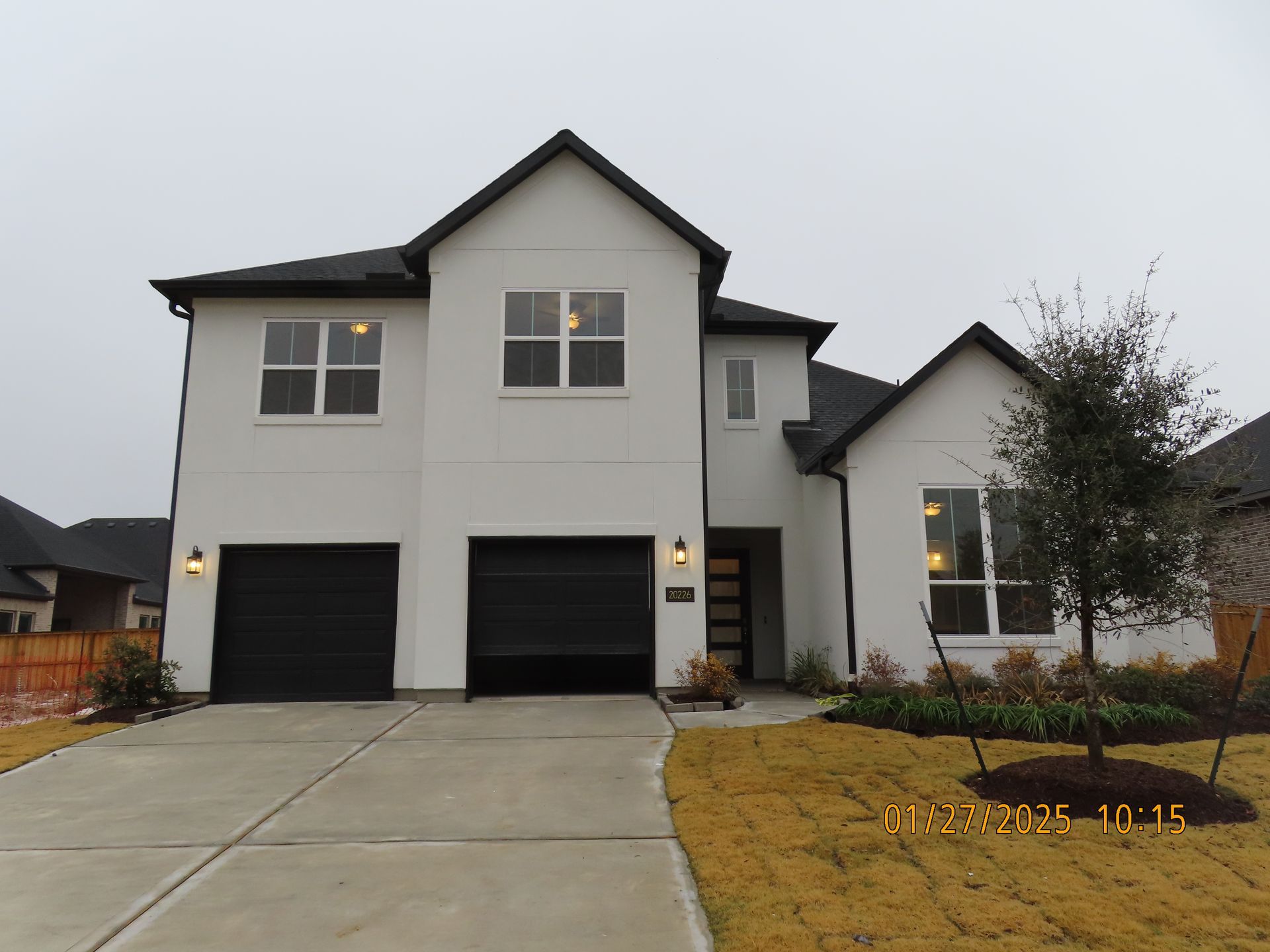
I was inspecting a property that had a dual-zone HVAC system. This means one system controls the temperature for both the upstairs and downstairs, using dampers to direct airflow. In theory, it’s a great way to stay comfortable. In practice, however, things can go wrong if the controls aren't wired correctly.
When I started testing the heating system, everything looked normal at first glance. The upstairs thermostat was set to 70 degrees in heat mode, and the room temperature was holding steady at about 68 degrees. It seemed like it was trying to work. But the moment I stepped into the stairwell to go downstairs, the temperature dropped like a rock. It was noticeably colder.
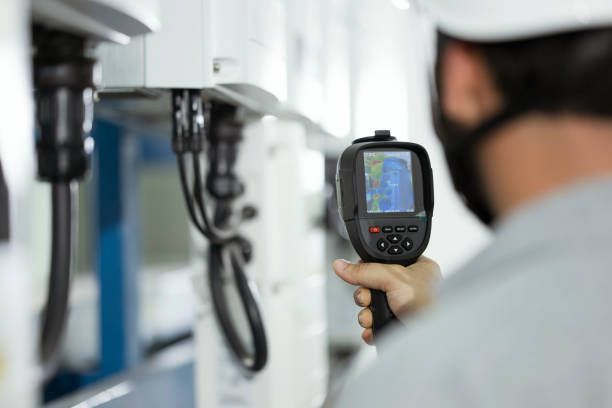
Downstairs, the thermostat was also set to 70 degrees in heat mode, yet the actual temperature in the room was a shivering 50 degrees. That is a massive difference. I grabbed my tools to investigate further. When I measured the temperature of the air coming out of the registers downstairs, it was reading 42 and 43 degrees. That isn't heat; that is air conditioning!
I went outside and found that the AC compressor was running. It appeared that while the system was supposed to be heating, it was actually blowing cold air downstairs. A dual-zone system cannot run heat and air conditioning at the same time. It was likely a mis-wired system or a bad controller causing the zones to conflict. Finding issues like this is exactly what a trusted home inspector Houston should do.
If you ever search for a "home inspector near me," make sure you find someone who looks beyond the surface. Based on this inspection, here are three things you can check on your own HVAC system to catch problems early:
- Check Your Thermostat Accuracy: regularly compare the "set" temperature to the actual room temperature. In the house I inspected, a 19-degree difference downstairs was a huge red flag that the system wasn't working.
- Feel the Air at the Registers: Don't just rely on the noise of the fan. Put your hand (or a thermometer) near the vent. If you have the heat on, the air should be hot. In my case, 42-degree air coming out in heat mode told me immediately that something was wrong.
- Listen to the Outdoor Unit: Pay attention to your outside compressor. In this specific case, the compressor was running when the outside temperature was in the 40s. Knowing when your outdoor unit kicks on can help you pinpoint if it is running when it shouldn't be.
This "weird HVAC issue" needed a professional investigation to be resolved. It’s just another reminder that houses are complex machines, and it pays to double-check that everything is working in harmony.