When you think about buying a brand-new house, you probably imagine everything is perfect. The paint is fresh, the floors are shiny, and nothing is broken, right? Well, a recent video from Eric Christie of Boxer Inspections shows us that this isn't always true. Eric took us along on a new construction inspection to show that even houses that have just been built can have serious problems.
In the video, Eric is standing outside a beautiful new home. He decides to test out his camera by looking at the upper parts of the house, specifically the "roof level". From far away, the house looks great. It has a nice stone exterior on the front. However, when Eric zooms in with his camera, he finds something shocking that most people would miss if they were just walking by.
The Discovery
Right on the front of the house, there is a "big old giant crack" running through the stone. This isn't just a small cosmetic scratch; it is a major defect in the materials used to protect the outside of the home. Eric points out that because of this large crack, the stone is "certainly not secured to the home".
Why Is This Dangerous?
Eric highlights two very important reasons why this defect is a big deal:
- Safety Hazard: Since the stone is not secured properly, Eric warns that there is a "pretty good chance that's going to fall off at some point". Stone is heavy! If a piece of the exterior falls from the roof level, it could easily hurt someone walking below or damage anything sitting on the porch.
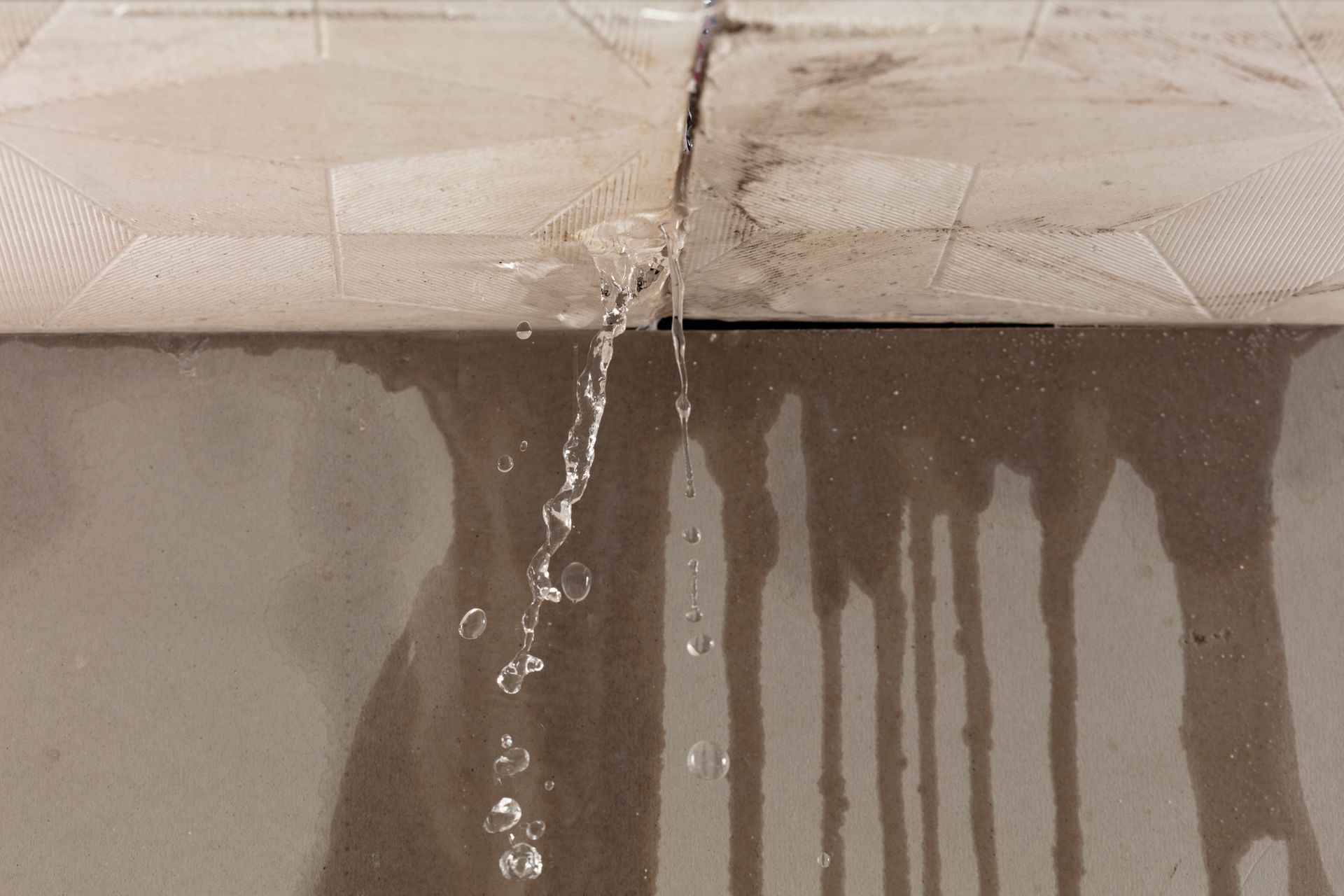
- Water Damage: The second problem is that the crack creates an "area for water penetration". Your home’s siding is supposed to act like a raincoat. When there is a big crack, rain and moisture can get behind the stone. Over time, this trapped water can rot the wood framing of the house, leading to expensive repairs and mold issues inside the walls.
This video is a great reminder that you can't just trust that a new home is built perfectly. You need a professional to look at the details, like the high spots on the roof, to make sure your investment is safe. If you are buying a home, Eric encourages you to schedule your inspections to catch these issues before they become disasters.
--------------------------------------------------------------------------------------------------------------------------------------------
4 Common Exterior Siding Deficiencies
Note: The first item below is based on the provided video source. Items 2 through 4 are not found in the source and are provided based on general home inspection knowledge to assist you.
- Cracked Masonry or Stone Veneer: As seen in the video, large cracks in stone or brick can mean the material is loose and not secured to the house. This creates a safety risk of falling debris and allows water to enter the wall structure.
- Rotting Wood Siding: (Outside Source Information) On homes with wood siding, it is common to find rot near the bottom of the boards where rain splashes up. If the wood feels soft or spongy when poked, it is likely damaged by moisture and needs to be replaced to prevent termites and leaks.
- Loose or Missing Vinyl Panels: (Outside Source Information) Vinyl siding protects many homes, but wind can rip panels loose. If a panel is flapping or missing entirely, the waterproof barrier underneath is exposed to the elements, which can lead to leaks.
- Cracked Stucco: (Outside Source Information) Stucco is a hard, cement-like siding. Hairline cracks are normal, but large cracks (wider than a credit card) can allow significant amounts of water to seep behind the wall, causing the metal lath underneath to rust and the wood framing to rot.
Analogy: Think of your home’s siding like the
enamel on your teeth. A small crack might not hurt right away, but if you don't fix it, it lets "decay" (water and rot) get deep inside where it causes a painful cavity (structural damage) that is much harder to fix!